
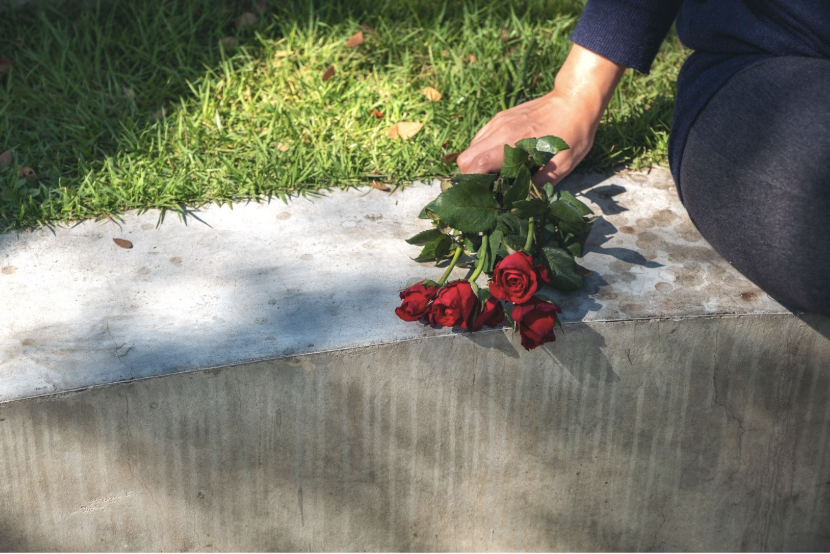
Saying goodbye to someone you love is never easy. The moment calls for both tenderness and practical decisions, which can sometimes feel overwhelming when emotions are running high. A meaningful farewell isn’t about following a rigid formula. It’s about finding balance between what feels right for the family and what best honours the person who has passed. From the atmosphere of the service to the personal details woven into it, every choice contributes to creating a moment that carries comfort as well as remembrance.
Considering the Needs of Family and Friends
When families come together during a time of loss, the weight of different expectations can often be felt. Some relatives may want a traditional ceremony, while others may prefer something more intimate or simple. These preferences can sit side by side, and listening carefully to each voice helps create a shared experience.
It’s worth taking a little time early in the planning process to understand what feels most important to those closest to the person who has passed. This doesn’t require a formal meeting or lengthy discussion — sometimes a quiet conversation over tea can reveal what will bring the most comfort and what might feel out of place.
There is no obligation to include every tradition or ritual. What matters is that the service reflects something genuine about the life being remembered and creates a space where those present feel held rather than managed.
Creating a Personal Touch Without Overcomplicating Things
Personalisation is one of the most meaningful ways to honour someone, but it doesn’t need to be elaborate. Small, well-chosen gestures often resonate far more than grand arrangements.
Consider what made the person distinctive. Was there a piece of music they loved? A place that held particular meaning? A phrase they often used, or a hobby that defined how they spent their time? Drawing on these details — even in small ways — helps transform a general service into something that feels specifically theirs.
Photographs, a short video, a table of meaningful objects, or a reading chosen by a grandchild can all add warmth without adding complexity. The goal is not to produce a performance but to create a setting where the person’s life is genuinely felt.
Practical Arrangements to Address Early
The practical side of arranging a farewell can feel daunting, especially in the early days of grief. But addressing a few key areas early can prevent unnecessary stress later.
If cremation is being considered, it’s helpful to understand the documentation required and the timeline involved. A funeral director can guide families through the legal requirements, coordinate the transfer, and handle much of the administrative work on your behalf. Knowing that these elements are in capable hands allows family members to focus on being present with one another.
Decisions around the cremation service, the venue, and the format of the gathering are worth making early, particularly if there are family members travelling from a distance. The more lead time given, the more options tend to be available.
Choosing Between Different Formats
There is no single correct format for a meaningful farewell. A chapel service, an outdoor gathering, a small family-only ceremony, or a larger community memorial — each can be deeply moving when approached with care.
Some families choose to separate the practical process of cremation from the ceremony of remembrance. A direct cremation followed by a memorial at a later time allows families to gather when they’re ready and in a setting they choose. This approach can reduce time pressure and give people space to process their grief before coming together.
Others find comfort in the continuity of a single day — where the farewell, the cremation or burial, and the gathering of loved ones all occur in close sequence. This can bring a sense of closure that feels important to some families.
Balancing Tradition with What Feels Right
Cultural and religious traditions can offer real comfort during times of loss. They provide structure, meaning, and a sense of continuity with those who came before. At the same time, not every family follows a tradition closely, and many people today approach these occasions in ways that blend the familiar with the personal.
If there are traditions that hold significance, incorporate them. If there aren’t, or if the person who has passed wasn’t aligned with a particular tradition, there is freedom to shape the farewell in whatever way feels most true. The most important thing is that the choices made feel like a genuine reflection of the person being remembered.
Supporting Grief and Reflection Beyond the Day
A meaningful goodbye doesn’t end when the service does. In the weeks and months that follow, the way grief is held and supported matters just as much as the farewell itself.
Encouraging family members to check in on one another, sharing memories when they feel natural, and acknowledging anniversaries or meaningful dates can all contribute to an ongoing sense of connection. Grief moves in its own time, and making room for it — rather than expecting a quick return to normal — is one of the kindest things a family can do for itself.
Professional support, whether through counselling, a grief group, or pastoral care, can also be genuinely helpful for those who find the loss particularly heavy. There is no expectation to navigate it alone.
Conclusion
Arranging a meaningful goodbye is an act of love — one that calls for both practicality and sensitivity. By keeping the needs of family members in mind, drawing on what made the person unique, addressing practical matters early, and allowing space for grief both during and after the service, it’s possible to create a farewell that truly honours a life.
What families remember most is rarely the grandeur of an occasion. It’s the feeling of being together, of being understood, and of having said goodbye in a way that felt honest and true. That is always within reach, regardless of the format or the scale.