
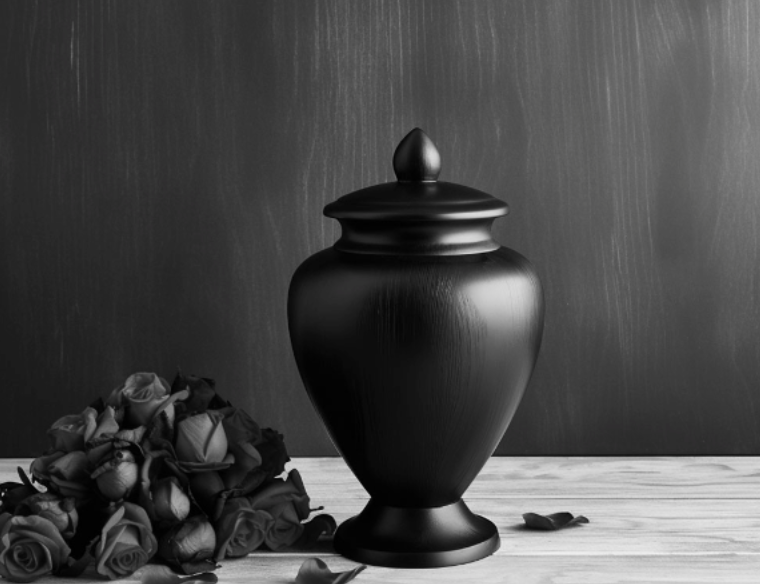
Grief doesn’t always arrive with a need for ceremony. For some families, the idea of a large, formal farewell just doesn’t feel right. Maybe it’s the person’s own wishes. Maybe the family is scattered, or the loss was sudden, and emotions are still raw. In those moments, quiet goodbyes often feel more appropriate—and more manageable.
Choosing a simple cremation without a service doesn’t mean the person mattered less. It simply reflects a different way of saying goodbye. One that values calm over performance, and stillness over structure.
Why Some Families Choose a Simpler Option
A growing number of Australians are opting for cremation without a formal funeral. There are practical reasons—cost, distance, health, travel—or emotional ones, like the desire for privacy or the need for more time before gathering.
For others, the person who has passed specifically asked not to have a service. They may not have wanted attention, or they felt that their family would remember them in their own ways. Respecting that wish can feel like an act of love in itself.
Choosing simplicity doesn’t take away from the depth of the moment. In fact, it often allows for a quieter, more personal reflection. It removes the pressure to perform grief in a certain way and lets people find their own pace and space to process.
Understanding Cremations Only Services
If you’ve heard the term cremations only, it refers to a direct cremation carried out without an attended service. There’s no formal gathering, no ceremony at a chapel, and no viewing. The cremation happens quietly and respectfully, and the ashes are returned to the family.
It’s a minimal process, but that doesn’t mean it’s cold or rushed. A good provider will still guide you through the paperwork, answer your questions, and handle everything with care. The difference is simply that the focus stays on the practical side of cremation—without a public farewell attached.
These services can often be arranged quickly, and they allow families to plan a private memorial or gathering later on, when the moment feels more settled. Some choose to scatter ashes quietly, others hold a small dinner or share memories at home. There’s no fixed format to follow.
Traditional Funeral vs Cremations Only
Understanding the difference between a traditional funeral and a cremations-only service can help families make a more informed choice. A traditional funeral typically includes an attended service at a chapel, church, or venue, often with a viewing or open casket, ceremony planning with music and eulogies, and higher overall cost. A cremations-only service, by contrast, involves no public service, no viewing, no ceremony component, and is more affordable—with flexible timing for collection of ashes and a private remembrance chosen by the family.
Meaning Doesn’t Come from the Format
It’s easy to assume that a formal service is the “proper” way to say goodbye. But meaning doesn’t come from pews or programs. It comes from the people involved, and the thought behind the choices made.
A quiet cremation doesn’t stop you from honouring someone’s life. You can light a candle at home. Share their story with friends. Keep their favourite object nearby. Or do nothing at all, for now—and come back to the idea of a tribute later, when it feels right.
Grief doesn’t need to look a certain way to be real. Some of the most powerful goodbyes happen in silence, in reflection, or in private rituals that are never shared.
Taking the Pressure Off
In the days after a loss, many families feel overwhelmed by logistics. Organising venues, catering, music, flowers—it can all feel like too much. Choosing a simple cremation allows space to breathe. It lets you slow down and focus on what matters most: remembering the person in a way that feels genuine.
A no-service option is not about avoiding grief. It’s about creating room for it to unfold without deadlines or expectations. And in some cases, it’s a gentle first step—one that allows time to think about how, or whether, a memorial might come later.
Quiet Can Still Be Deeply Personal
Choosing not to hold a full cremation and public service doesn’t mean the moment lacks meaning. Many families find ways to mark the occasion privately—writing letters, playing a piece of music, taking a quiet walk, or sharing a moment of silence. These gestures are no less powerful for being small.
Some families also create keepsakes using ashes or choose a date months down the line to gather and reflect. The freedom that comes with a simpler choice means you can shape remembrance in your own way, and in your own time.